+91 62 3267 0879





Reference numbers in immigration are unique codes assigned to your application. They track your file, your status updates, and your credential documentation from the day you apply until a decision is made.
Lose one of these numbers, and things get messy fast. Every visa file, PR case, and credential evaluation depends on it.
Here’s what these numbers actually mean, where to find them, and how they tie back to your academic records at every stage of the process.
What Are Reference Numbers in Immigration Applications?
Reference numbers in immigration are identifiers assigned the moment your file enters the system, and no two applicants ever get the same one.
It doesn’t matter if you and someone else applied through the same office on the same morning. Your number is yours alone.
A few common types you’ll come across:
- Application or file reference numbers
- Unique client identifiers
- Case tracking numbers
- Evaluation reference numbers for degree assessments
Why Do Reference Numbers in Immigration Matter So Much?
They matter because officers and evaluators pull up your file using this number, not your name.
Names repeat. Numbers don’t. That’s the whole point.
Skip the reference number when you call for a status update, and you’re looking at a much longer wait while someone digs through records to find you.
- Faster status updates from immigration offices
- Fewer identity mix-ups during processing
- Quicker follow-ups on evaluation files
- Smoother communication with agents or consultants
How Are Reference Numbers in Immigration Generated?
Most get generated automatically the second you hit submit, whether that’s online or on paper.
The format is usually a mix of letters and numbers. Some offices tack on a prefix for location or program type; others just run a plain sequence.
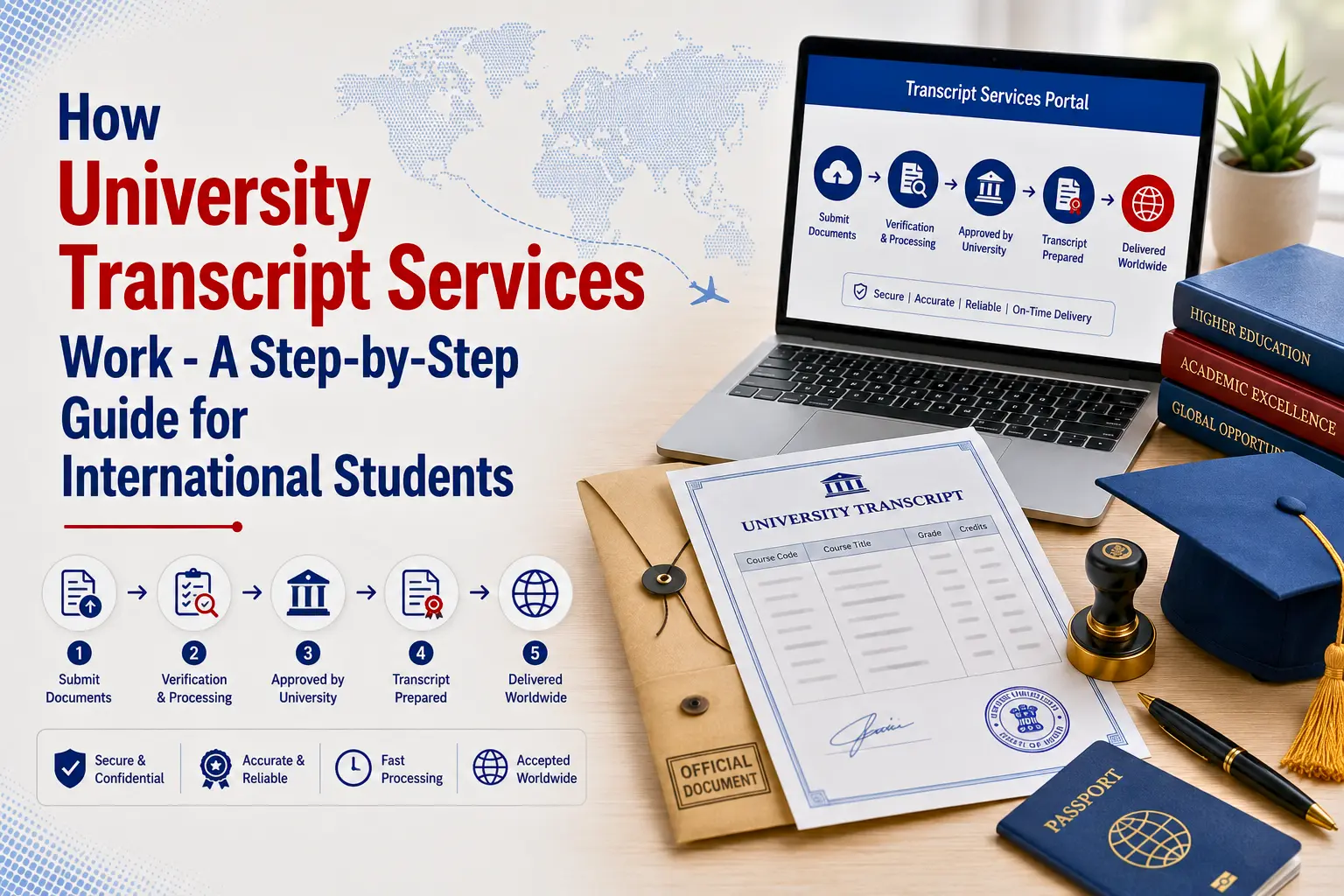
Credential documentation works the same way. Send your transcript to an evaluation service, and it gets its own code, one that stays attached to your file right up until the final report lands in your inbox.
Where Do You Find Your Reference Numbers in Immigration Files?
Check your confirmation email first. That’s where most people find it.
If you applied online, the number also shows up on the final confirmation screen before you close the tab. Screenshot it. Some portals won’t show it again after that page disappears.
Applied by post instead? Look at the top corner of your acknowledgment letter. Both your reference numbers in immigration paperwork and any academic evaluation files usually sit in the same spot.
| Document Type | Where the Number Usually Appears |
| Online visa application | Confirmation screen and email |
| Paper application | Acknowledgment letter, top section |
| Credential evaluation | Evaluation service portal |
| PR application | Application confirmation receipt |
How Do Reference Numbers in Immigration Connect to Credential Documentation?
They connect because most immigration authorities want your credential documentation reference sitting right next to your main application number.
Submit an evaluation report as supporting proof, and the officer will usually cross-check both numbers before accepting it as valid.
This is why keeping everything in one place matters. Reference numbers in immigration cases often get requested again during appeals, so digging through old emails months later is not fun.
For help with preparing academic documents for international evaluation, you can also explore our Credential Documentation services.
What Happens If You Lose Your Reference Numbers in Immigration Paperwork?
It’s not a disaster, but it will slow you down.
Call or email the issuing office with your name, date of birth, and the date you applied. Most offices can pull it up from there.
Lost your academic evaluation number instead? Most services let you recover it through their online support portal, as long as you still have access to the email you registered with.
- Contact the relevant office with your personal details
- Check old emails for confirmation messages
- Search physical files for the original acknowledgment letter
- Reach out to your consultant if one handled the submission
How Should You Store Reference Numbers in Immigration and Credential Documents?
Pick one place and stick to it. A physical folder works. So does a password-protected document on your laptop.
Just label everything clearly with the applicant’s name, the program, and the date. Six months from now, you won’t remember which number belongs to which file otherwise.
Agencies such as World Doc Services often help applicants keep their reference numbers in immigration files and academic evaluation records organized together, which cuts down on avoidable errors.
For more information or assistance with your documentation needs, you can reach out through our Contact Us page.
For the latest updates and useful guidance on academic document services, follow World Document Services across Facebook, Instagram, Pinterest, and YouTube.
Frequently Asked Questions
Can two applications ever share the same reference number?
No, each one is unique to a single file within that system.
Do reference numbers in immigration expire over time?
Most stay valid for the life of the application, though some offices archive older files after a few years.
Is a reference number the same as a receipt number?
Often, yes, though a few systems treat them as separate identifiers on the same file.
Where can I find my credential documentation reference number?
Check the evaluation service’s confirmation email, or log into their applicant portal directly.
Should I share my reference number with anyone other than officials?
No, share it only with your immigration consultant or an authorized representative, since reference numbers in immigration can be misused if they fall into the wrong hands.






 Call Us
 Mail Us
 WhatsApp